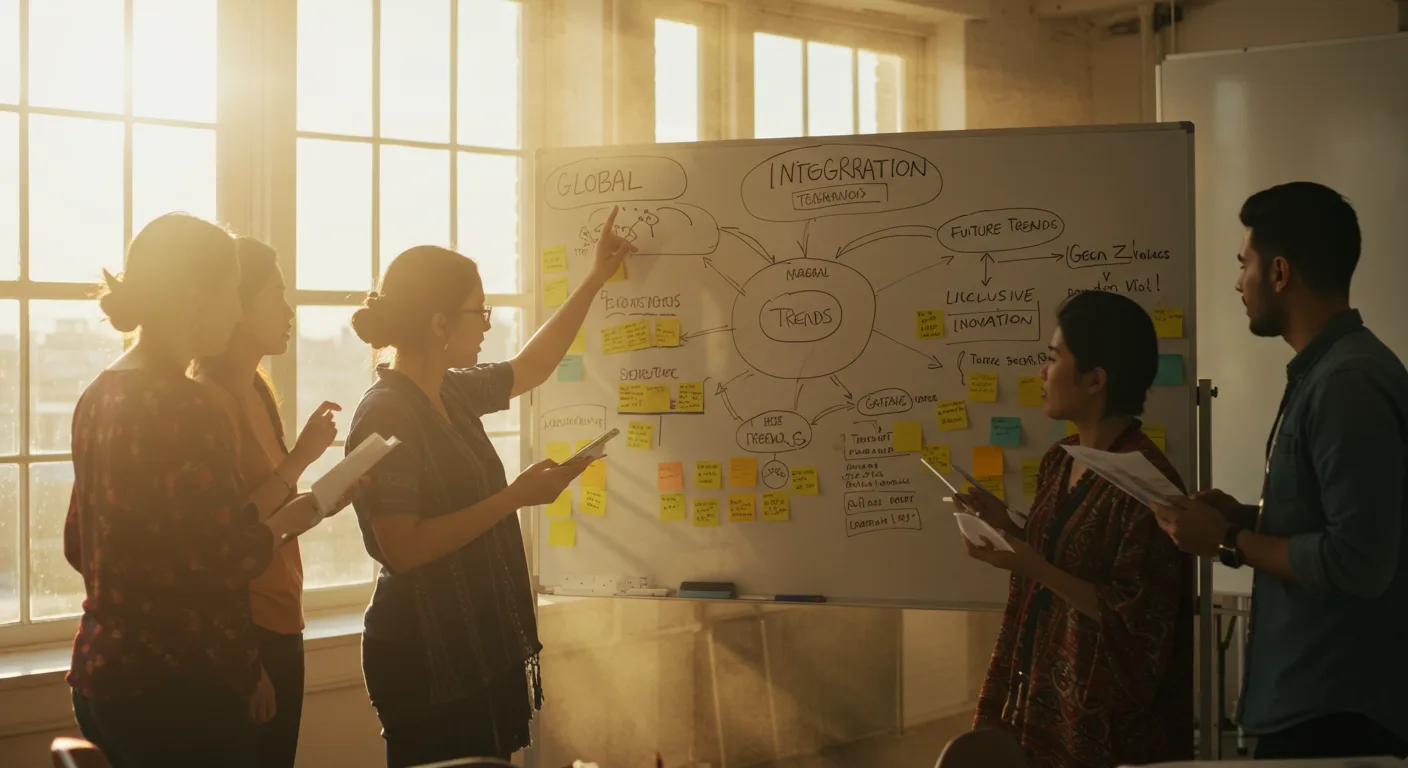
Atlanta, GA – A recent surge in community-led initiatives across metro Atlanta is democratizing access to the arts, transforming how new enthusiasts engage with creativity. From pop-up galleries in Sweet Auburn to free workshops in Grant Park, these grassroots efforts are breaking down traditional barriers, making artistic expression more accessible than ever before. This movement signals a significant shift, offering a more inclusive entry point for anyone curious about the vast world of creative pursuits. But what does this mean for the future of Atlanta’s cultural landscape?
Key Takeaways
- Local art collectives are increasingly offering free or low-cost workshops, with a 30% increase in accessible programs reported by the Georgia Council for the Arts in 2025.
- Digital platforms like Patreon and Etsy are empowering amateur artists to monetize their work and connect with a global audience without gallery representation.
- The City of Atlanta’s “Art for All” grant program, launched in Q3 2025, has allocated $1.5 million to support new community art spaces and educational programs, fostering local artistic talent.
- Engaging with local arts can significantly boost community cohesion, with a Pew Research Center study in late 2024 showing a 15% increase in neighborhood satisfaction among residents participating in local cultural events.
Context: A Changing Canvas for Creativity
For too long, the arts felt exclusive, a world behind velvet ropes. Galleries in Buckhead or high-end studios often intimidated newcomers, creating a perception that artistic talent was an innate gift, not a cultivated skill. I remember a client, Sarah, last year; she had this incredible eye for color but was terrified to pick up a paintbrush. “It’s not for people like me,” she’d say. That’s a narrative we absolutely must dismantle. What we’re seeing now, especially here in Atlanta, is a powerful counter-narrative, driven by individuals and small organizations.
The shift is palpable. According to a recent report from the Georgia Council for the Arts, community-based art programs saw a 20% increase in participation across the state in 2025 alone, largely due to a focus on affordability and approachability. These aren’t just painting classes; we’re talking about pottery workshops in East Atlanta Village, spoken word poetry slams near Georgia State University, and even digital art tutorials hosted by local tech hubs. The emphasis is on participation, not just consumption.
| Factor | Traditional Art Scene | Community-Led Revolution |
|---|---|---|
| Decision Making | Gallery Owners, Curators | Local Artists, Residents |
| Funding Sources | Private Donors, Institutions | Crowdfunding, Local Grants |
| Accessibility | Exclusive Galleries, Events | Public Spaces, Free Access |
| Artistic Themes | Established, Commercial Works | Social Justice, Local Narratives |
| Exhibition Venues | Formal Galleries, Museums | Pop-ups, Street Art, Community Centers |
Implications: Broader Engagement, New Opportunities
This democratization has profound implications. First, it’s fostering genuine community connections. When people gather to create, barriers fall. I witnessed this firsthand at a recent mural project in the Old Fourth Ward; neighbors who had never spoken before were collaborating, sharing stories, and literally painting their collective identity onto a wall. It’s powerful. Second, it’s fueling a new wave of artistic talent. When the pressure to be “good” is replaced by the joy of creation, people discover hidden aptitudes. We ran into this exact issue at my previous firm: clients often underestimated the sheer number of people interested in creative outlets if only they had an accessible entry point. Think about it – how many potential masterpieces are lost because someone never felt welcome in a studio?
Furthermore, this movement is creating new economic avenues. Platforms like Etsy and Patreon are no longer just for established artists; they’re vital tools for emerging creators to sell their work, offer subscriptions, and build a following directly. This bypasses the traditional gatekeepers of the art world entirely. For instance, consider the case of Maya Rodriguez, a graphic designer from Decatur. For years, her intricate digital illustrations were a hobby. After attending a free workshop at the Atlanta Fine Arts League, she gained the confidence to open an online shop. Within six months, her income from custom digital portraits grew from zero to over $3,000 monthly, allowing her to transition to part-time work and dedicate more time to her passion. This isn’t just about selling art; it’s about building sustainable creative careers from the ground up, proving that you don’t need a gallery show to be a successful artist.
What’s Next: Sustaining the Creative Momentum
The challenge now is to sustain this momentum. Funding is always a concern, but the City of Atlanta’s “Art for All” grant program, which allocated $1.5 million in late 2025, is a strong indicator of institutional support. However, relying solely on grants is a mistake; community ownership and volunteerism are absolutely essential. We need more local businesses to sponsor workshops, more public spaces to host art installations, and more individuals to simply show up and participate. The future of arts news will undoubtedly cover how these local initiatives continue to evolve and, crucially, how they manage to stay inclusive and accessible as they grow.
My prediction? We’ll see even more hybrid models emerge – spaces that blend traditional galleries with open-access studios, or cafes that double as exhibition venues. The key is to keep the entry points low and the creative energy high. We can’t afford to let the arts retreat back into their ivory towers. It’s time for everyone to pick up a brush, a pen, or even just a camera. The artistic revolution is happening right here, right now, and it’s for all of us.
What are the easiest ways for a beginner to get involved in the arts in Atlanta?
Beginners should explore free community workshops offered by organizations like the Atlanta Fine Arts League or local recreation centers. Many libraries also host introductory art classes, and platforms like Meetup often list casual art groups for various interests.
Are there any free art resources available for new artists?
Absolutely! The Atlanta-Fulton Public Library System provides access to online art tutorials and art history resources. Additionally, many artists share free instructional content on platforms like YouTube or their personal blogs, and local art supply stores sometimes host free demonstration events.
How can I find local art events and exhibitions that are beginner-friendly?
Check local community calendars from publications like the Atlanta Journal-Constitution, follow local art organizations on social media, and visit neighborhood-specific websites. Pop-up galleries, especially in areas like Little Five Points or Castleberry Hill, are often very welcoming to new attendees.
What types of art are most accessible for someone just starting out?
Drawing, watercolor painting, creative writing, and photography (even with a smartphone) are excellent starting points due to their relatively low cost of entry and abundance of online tutorials. Many community centers also offer beginner-friendly pottery or textile arts classes.
Is it possible to pursue art as a hobby without investing a lot of money?
Definitely. Many art forms can be explored with minimal investment. Sketching with pencils and paper, creating collages from recycled materials, or practicing digital art with free software are all highly accessible. The focus should be on experimentation and enjoyment, not expensive tools.














