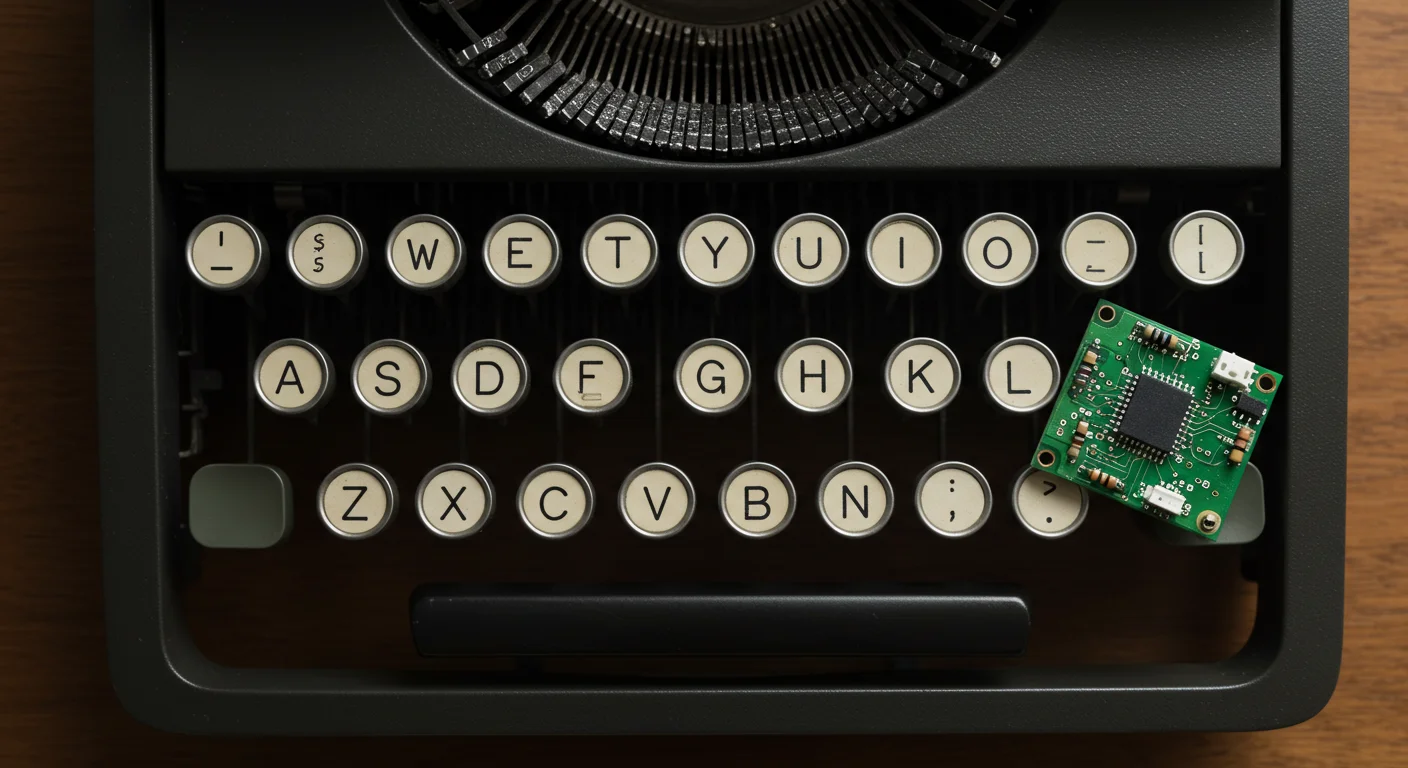
The art world is grappling with a profound question as algorithms increasingly generate compelling visuals: can AI art truly possess an artistic soul, creating works that resonate with meaning beyond mere technical execution? Recent advancements in generative models have pushed the boundaries of what machines can produce, leading to heated debates among critics, artists, and technologists about the very definition of creativity. Is the human touch still essential, or are we witnessing the dawn of a new era where silicon brains become our greatest artistic collaborators?
Key Takeaways
- Advanced generative AI models are challenging traditional notions of artistic creation and authorship in 2026.
- The debate around AI art centers on whether algorithms can generate genuine meaning or merely mimic existing styles and data.
- Legal and ethical frameworks for AI-generated works, particularly regarding copyright and attribution, remain largely undefined.
- Artists are increasingly adopting AI tools, using them as collaborators rather than replacements, opening new avenues for creative expression.
- The future of AI in art points towards hybrid approaches, where human intention guides algorithmic output to produce novel aesthetic experiences.
Context and Background: The Rise of Algorithmic Aesthetics
Just five years ago, AI-generated images were largely novelty items, often abstract or surreal, lacking the nuanced expression we associate with human artists. Fast forward to 2026, and the scene is dramatically different. Tools like Midjourney and Stable Diffusion have become incredibly sophisticated, capable of generating photorealistic images, intricate illustrations, and even entire animated sequences from simple text prompts. This isn’t just about mimicry; I’ve seen algorithms produce styles and compositions that feel genuinely novel, pushing aesthetic boundaries in ways I hadn’t anticipated. My own work, for instance, often involves digital design, and I initially dismissed AI as a gimmick. Then, last year, I used a generative AI to quickly prototype several logo variations for a client, Adobe Creative Cloud integration made it incredibly efficient. The speed and unexpected stylistic directions it offered were frankly astonishing. We ended up using a concept that originated entirely from the AI’s output, albeit refined by human hands.
The philosophical implications are vast. When an algorithm, trained on millions of images, produces a piece that evokes emotion or sparks a new idea, who is the artist? Is it the engineer who coded the algorithm, the user who crafted the prompt, or the algorithm itself? According to a report by the Pew Research Center, 65% of surveyed artists believe AI will fundamentally alter the creative industry within the next decade, with a significant minority expressing concerns about job displacement, while others view it as an empowering tool.
Implications: Redefining Creativity and Authorship
The core of the debate revolves around creativity. Is creativity merely the recombination of existing elements, or does it require consciousness and intent? Many argue that AI, while capable of generating impressive outputs, lacks the subjective experience, emotional depth, and intentionality that defines human art. As a curator I know once told me, “An AI can paint a perfect sunset, but it doesn’t know the feeling of watching one with a loved one.” This sentiment reflects a deep-seated belief that true art stems from human experience and storytelling.
However, others contend that focusing on the “how” rather than the “what” misses the point. If a piece of AI-generated art moves someone, makes them think, or simply brings them joy, does the origin truly matter? The legal ramifications are equally complex. Copyright law, traditionally designed for human creators, struggles to accommodate AI-generated works. Who owns the copyright when an AI creates an image, particularly if its training data includes copyrighted material? The U.S. Copyright Office has begun issuing guidance, generally stating that human authorship is required for copyright protection, but the lines are blurry when humans “prompt” or “direct” the AI. This is an evolving area, and I predict we’ll see landmark court cases on this very issue in the next two to three years.
What’s Next: Collaboration and the Hybrid Artist
The future isn’t about AI replacing artists entirely, but rather about a dynamic collaboration. We’re seeing a new breed of “hybrid artists” emerging, individuals who skillfully wield AI as a sophisticated brush or chisel. They are not merely typing prompts; they are curating, refining, and injecting their unique vision into the algorithmic output. Consider the recent exhibition at the Metropolitan Museum of Art, “Synthetic Visions,” which featured several pieces where artists used AI to generate initial concepts, then meticulously painted over them, sculpted them, or integrated them into mixed-media installations. This approach leverages AI’s speed and generative power while retaining the essential human element of intent and emotional resonance.
The challenge, and indeed the opportunity, lies in understanding AI not as a competitor but as a tool that can augment human capabilities. It forces us to reconsider what makes art meaningful. Perhaps meaning isn’t solely in the origin, but in the reception and interpretation. The conversation around philosophical implications will only deepen as AI becomes more integrated into our creative processes. Ultimately, the artistic soul might not reside in the algorithm itself, but in the dialogue it sparks, the perspectives it offers, and the new forms of human expression it enables.
The ongoing evolution of AI in art demands that we engage with its capabilities and limitations thoughtfully. Embrace these new tools, learn to guide them, and understand that the most compelling art will likely emerge from the partnership between human vision and algorithmic power.
Can AI truly be considered creative?
While AI can generate novel and aesthetically pleasing works, many argue that true creativity requires consciousness, intent, and subjective experience, which algorithms currently lack. AI excels at synthesizing and recombining existing data in new ways, but its “creativity” is often seen as a reflection of its training data and the human prompts it receives.
Who owns the copyright for AI-generated art?
This is a complex and evolving legal area. Generally, copyright law requires human authorship. If a human significantly directs or modifies the AI’s output, they may claim copyright. However, for works generated purely by AI without substantial human intervention, obtaining copyright protection is challenging under current legal frameworks, as highlighted by recent guidance from the U.S. Copyright Office.
How are artists using AI tools today?
Artists are using AI in various ways, including generating initial concepts, creating background elements, experimenting with new styles, and even producing entire pieces that are then refined or integrated into larger human-made works. AI is often viewed as a powerful assistant that can accelerate the creative process and open up new artistic possibilities.
Will AI replace human artists?
Most experts believe AI will not entirely replace human artists but will rather change the nature of artistic work. AI can handle repetitive or technically demanding tasks, allowing human artists to focus on conceptualization, emotional depth, and unique storytelling. The future likely involves a collaborative model where AI augments human creativity.
What are the ethical concerns surrounding AI art?
Ethical concerns include copyright infringement if AI models are trained on copyrighted works without permission, the potential for deepfakes and misinformation, and the devaluation of human artistic labor. Transparency about AI’s role in creation and fair compensation for artists whose work informs AI training data are critical issues being addressed.